
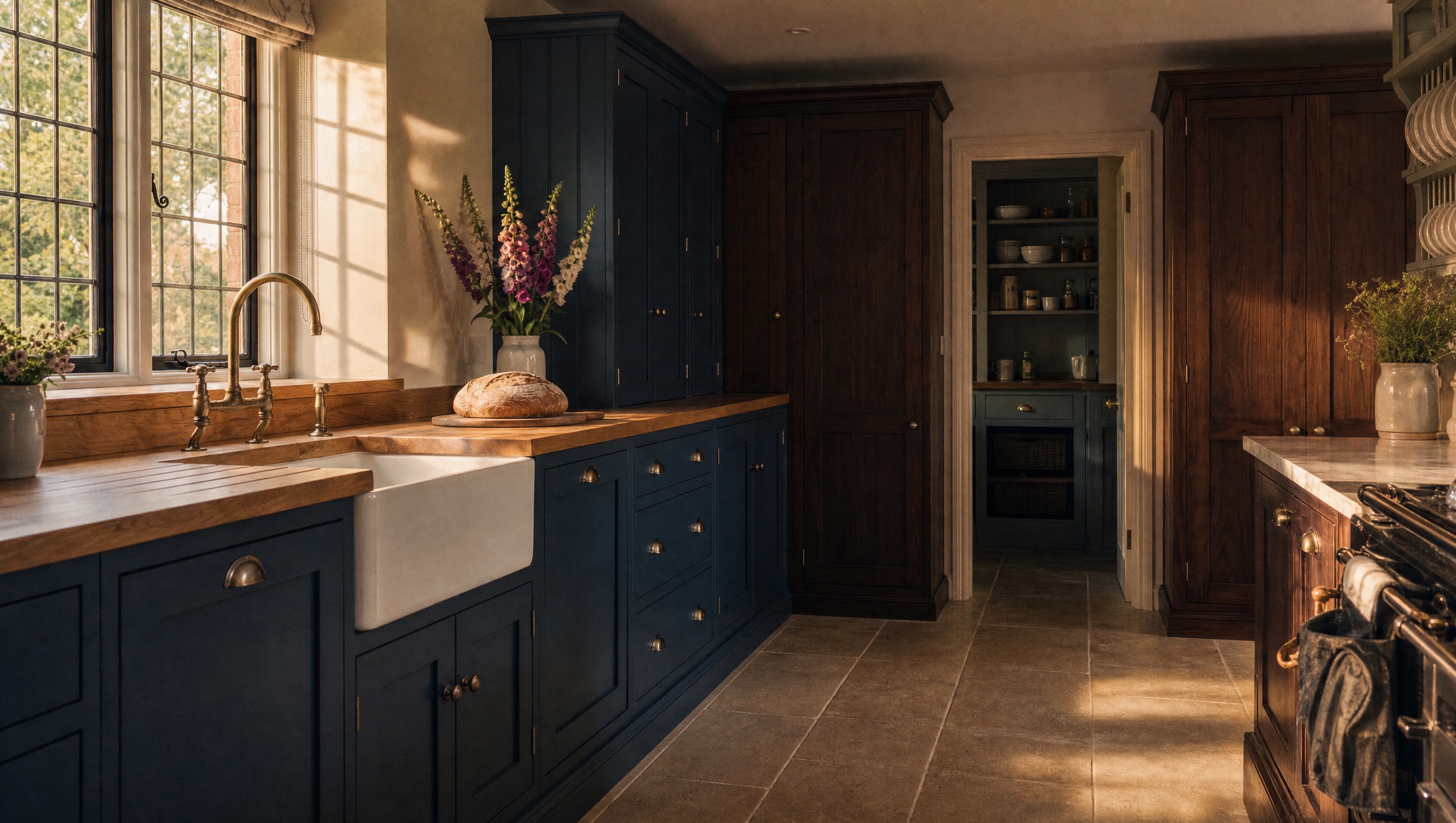
Guides
Three long pieces for anybody in the middle of commissioning a kitchen. No sales copy, and nothing in them we would not say to your face.
Why these exist
Almost everything written about buying a kitchen is written in order to sell one. These are not. They are the answers we end up giving on the telephone, three or four times a month, written down once so that anybody can have them without ringing us first.
If you read all three and commission somebody else, they have still done their job. A person who understands what they are buying is a better client for whoever ends up making it, and a badly briefed kitchen is miserable for everybody involved.
Where to start
If you are choosing between makers and cannot tell what separates them, read how to choose a bespoke kitchen maker first. It is twelve questions to ask, and — more usefully — what the wrong answer to each one sounds like. Most of them take thirty seconds to ask and tell you more than an afternoon in a showroom.
If you already know who you want to work with and the question is what to build, read kitchen layout, and how rooms actually work. Clearances, island sizes, worktop heights, where the bin goes. These are the decisions that are cheap on paper and expensive once the cabinets are made.
If you are reading a quotation and half the words are unfamiliar, the glossary has them. In-frame and lay-on, scribe and rail, dovetail and comb joint, honed and leathered. Knowing what a specification actually says is the difference between comparing two quotations and comparing two numbers.
A word about timing
People usually find these at one of two moments: eighteen months out, when a house has just been bought and the kitchen is an idea; or three weeks out, when a builder needs dimensions and nothing has been decided.
The first is a much better moment. Our own lead time is fourteen to twenty weeks from agreed brief to installation, and the design and drawing stage sits in front of that. Nobody makes a better kitchen in a hurry, and the compromises made under time pressure are the ones people still notice five years later.
If you are in the second position, ring us anyway. Sometimes it can be done and sometimes it cannot, and we will tell you which within one telephone call rather than three meetings.
What is not here
There is no guide to kitchen trends, no list of the year’s colours and no piece about whether islands are over. A kitchen made properly will outlast several rounds of that, which is rather the point of paying for one, and writing it would only date the site.
There is also no pricing guide beyond the honest numbers already on the cost page: ours start at £35,000 and most land between £65,000 and £120,000 before appliances and stone. Anything more precise than that, written in advance of seeing a room, would be a guess dressed up as a figure.
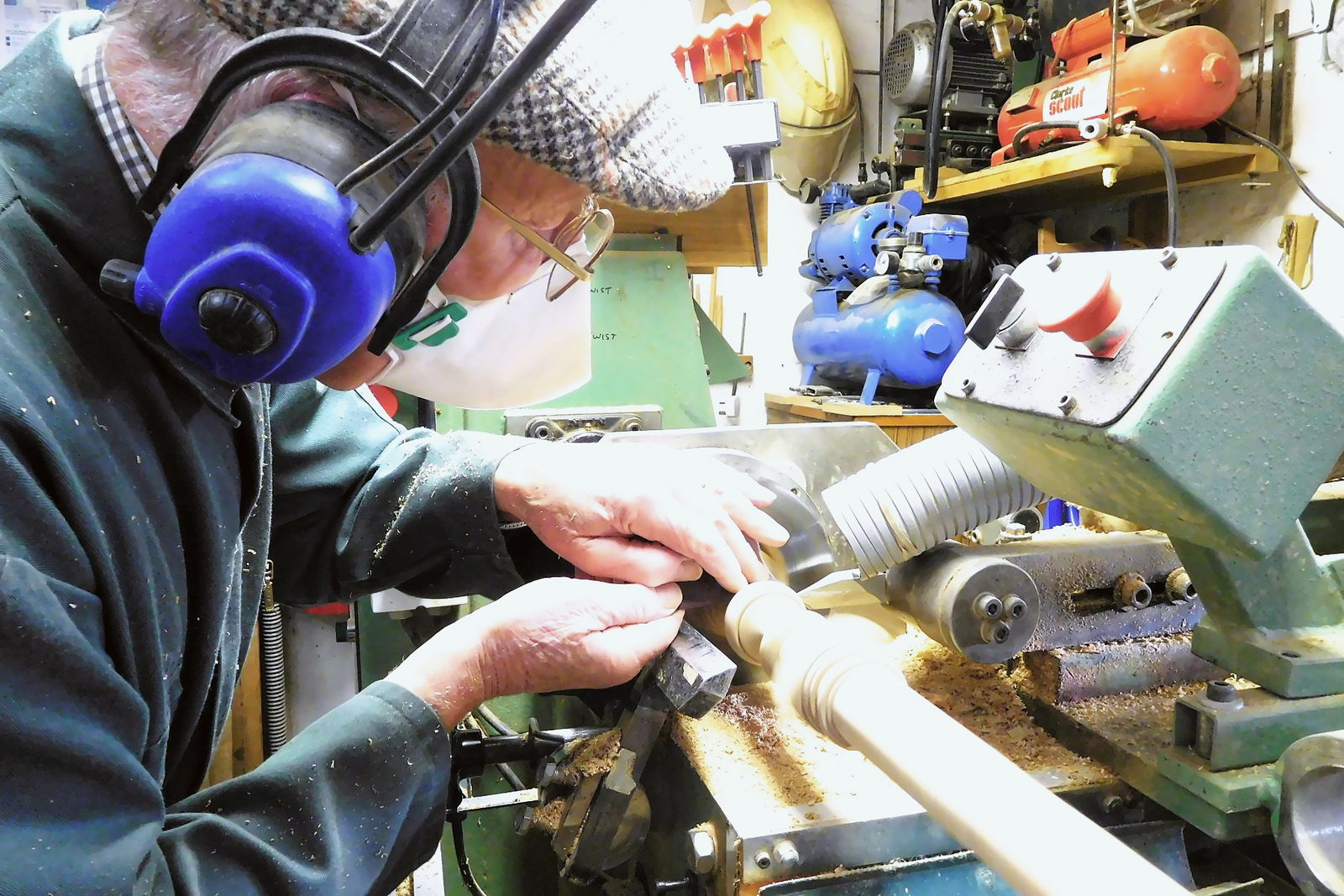
How to choose a bespoke kitchen maker
Twelve questions, the answers that should reassure you, and the answers that should not. Written by people who would rather you asked them.
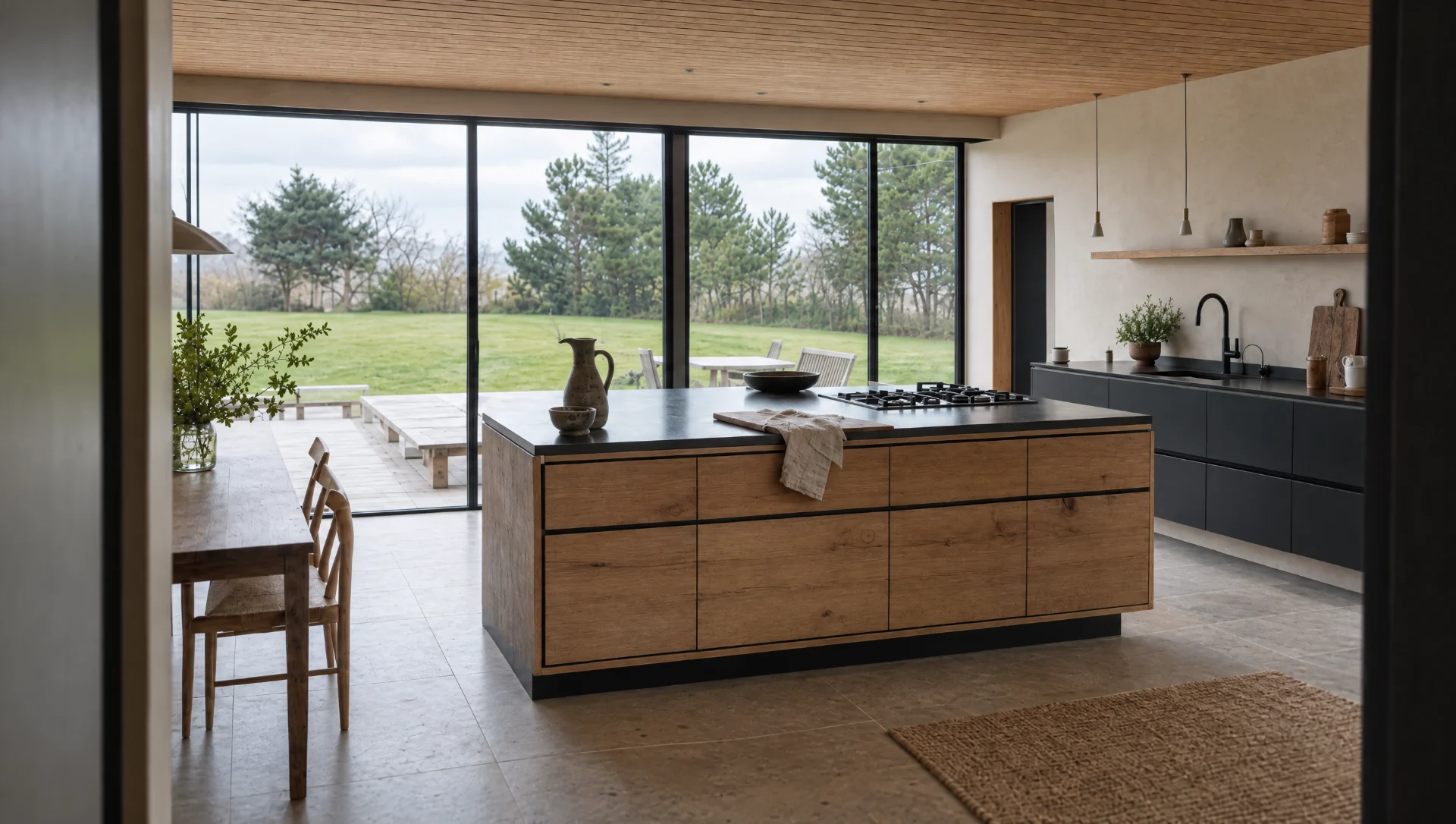
Kitchen layout, and how rooms actually work
The dimensions that decide whether a kitchen is a pleasure or a daily irritation — and the point at which an island stops helping.
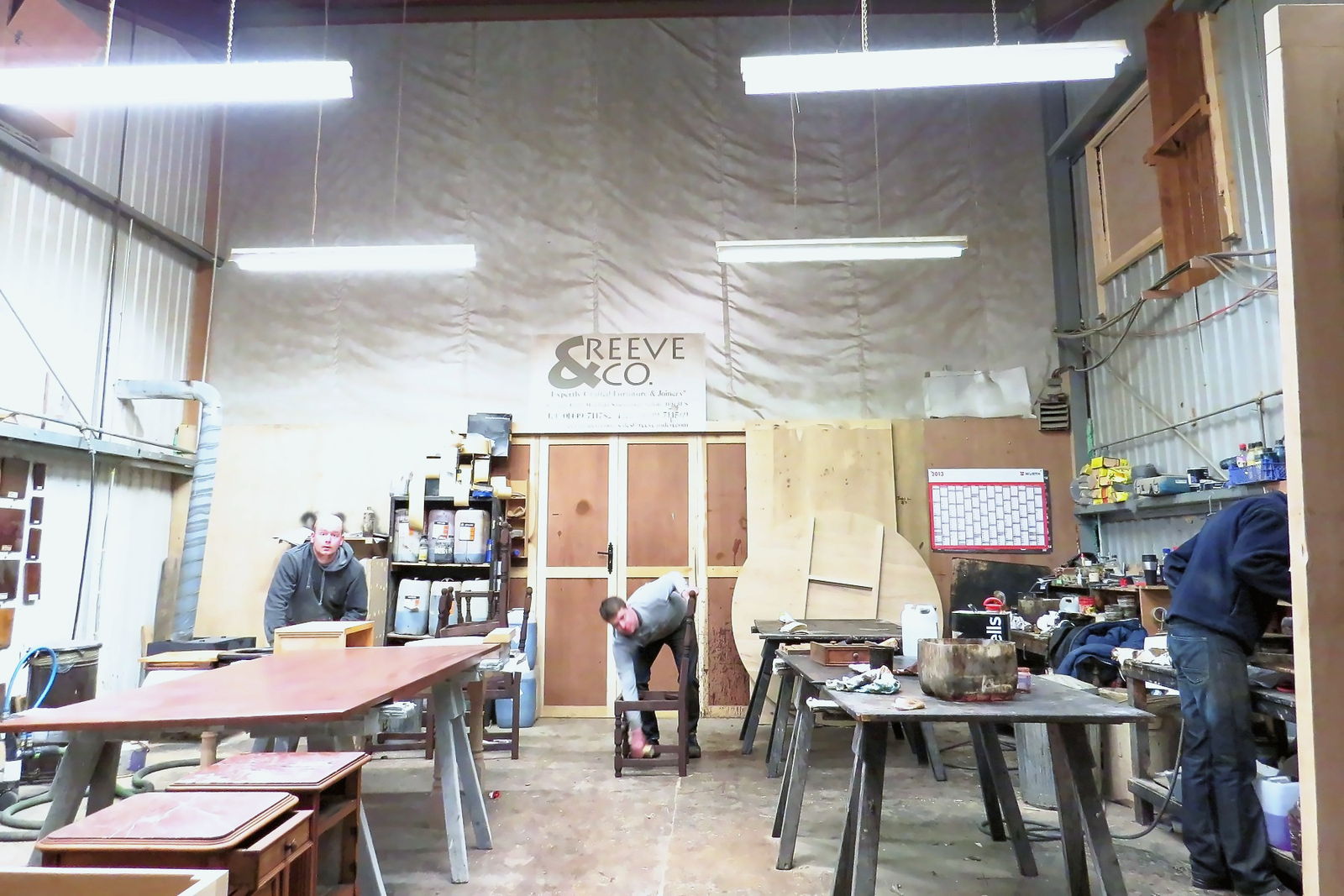
A glossary of kitchen and joinery terms
The words that appear in quotations and drawings, in plain English. If somebody uses one of these at you and does not explain it, ask.
Start a conversation
Tell us about the room, the house and roughly when you would like to be cooking in it. We will tell you honestly whether we are the right people for it.
Make an enquiry